Winter and snow
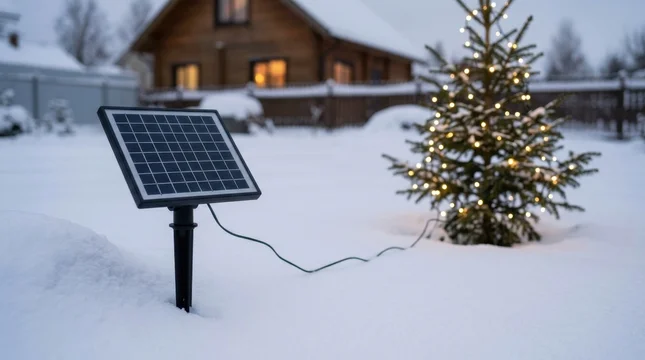
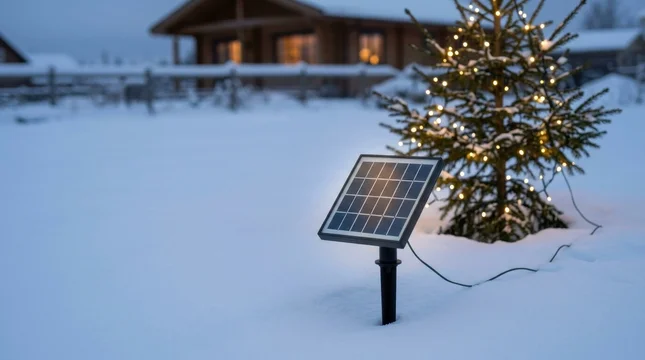
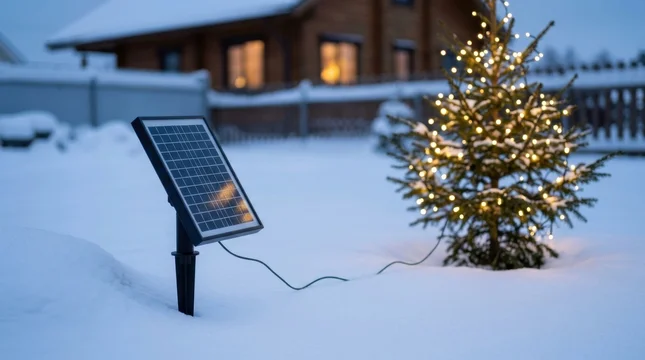
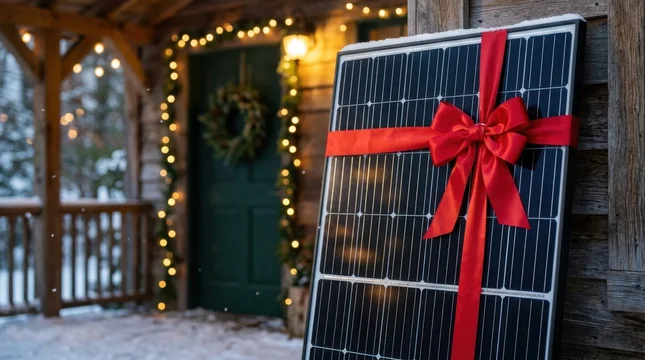
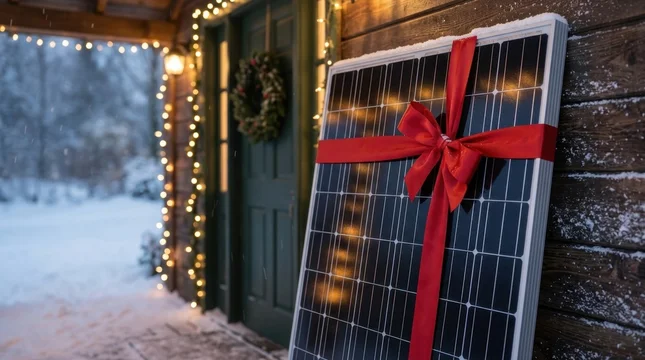
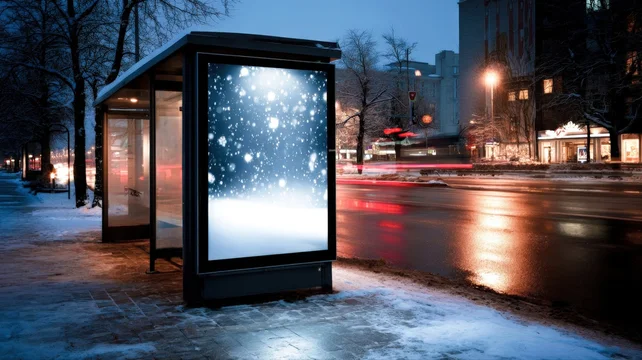
Winter divides into two jobs, and this collection is the second one. Most of what a library tags "winter" is really Christmas with snow on it, while what an insurer, a fleet operator or a pharmacy needs in January is the season as a weather condition — cold light, wet road, frost on glass — with no holiday signal anywhere in frame. Anything built around a tree, a bauble or a wrapped box sits in Christmas and New Year instead, and the boundary between the two collections is enforced rather than approximate: the holiday markers are excluded here by keyword.
What each sector is actually asking for
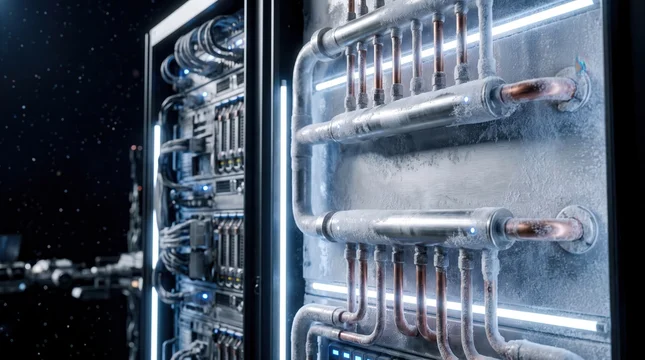
Automotive and insurance want the hazard, not the postcard. In the United States 24% of weather-related vehicle crashes happen on snowy, slushy or icy pavement, and a frame carrying a winter-tyre line or a claims message has to show that surface honestly: tracked slush, a half-cleared windscreen, a kerb you would not want to brake on. Property insurers need the cold indoors instead — a pipe run, a radiator, a thermostat. UK insurers paid £194 million in burst-pipe claims to homeowners in the first quarter of 2018, the highest single quarter the ABI had recorded, and that is the brief almost nobody shoots.
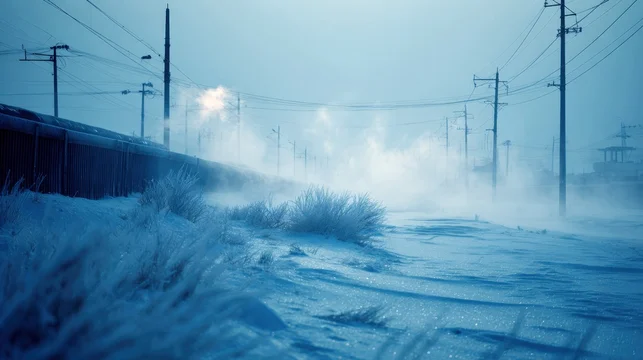
Energy and utilities work to the heating season rather than the holiday: the EIA's winter outlook accounts for household consumption from November through March, which is also the span one campaign has to cover without looking stale by week three. Pharmacy and public health buy against the respiratory curve — the CDC puts the usual influenza peak between December and February — and they need someone cold and unwell in a plain interior, not a snowball fight. Logistics wants the yard before dawn: lit forecourt, exhaust plume, road spray dried up the side of a trailer.
Snow as a condition, not a decoration
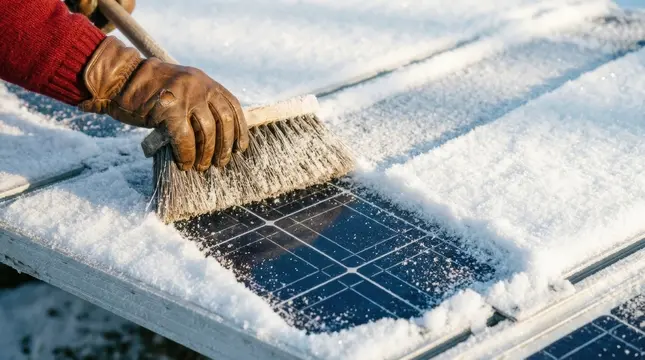
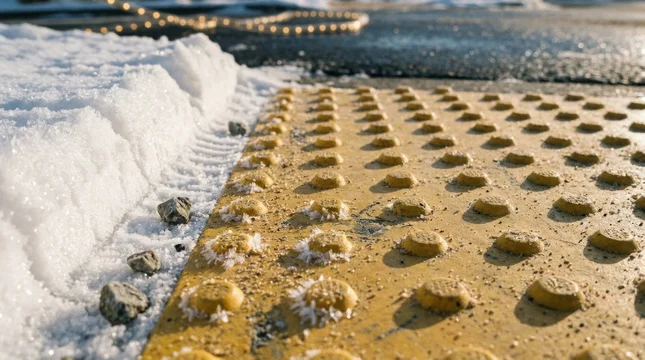
Fresh snowfall is the easiest state to find and the least useful. Real winter is mostly the stages afterwards, and those are what the libraries are thin on: refrozen crust, grey slush at a kerb, meltwater, salt drying white on bodywork and boots, frost on the inside of the glass rather than the outside.
Salt is worth naming because it is everywhere on a winter street and almost never in frame — highway de-icing took about 37% of all the salt consumed in the United States in 2025. A spotless road in a snow scene reads as a shoot, not a street.
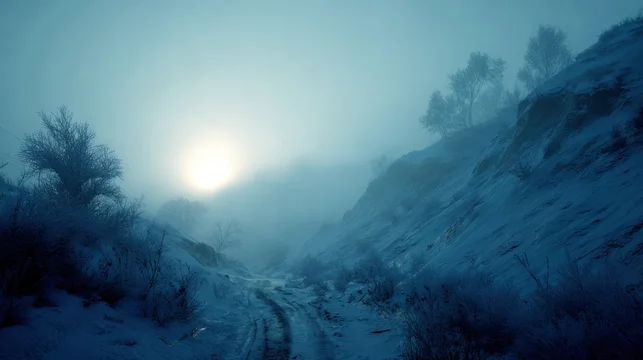
Light does the rest. Low sun buys long shadows and a short usable window; flat overcast gives a nearly shadowless frame that takes a headline cleanly and grades towards almost any brand palette, which is where this collection overlaps sky and clouds.
Before you licence
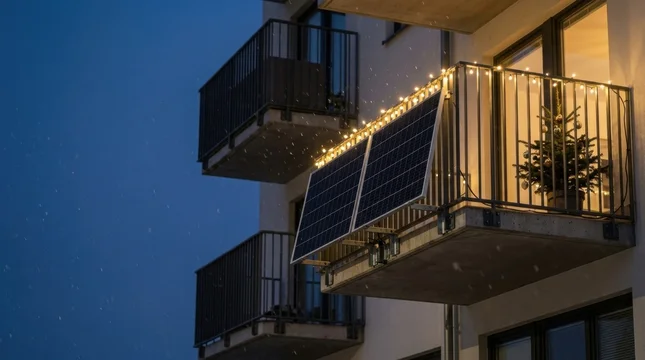
- Scan every edge for a holiday marker: a wreath, a string light, a red bow, a conifer.
- Decide which snow state the brief needs — fresh, slush and refrozen are not interchangeable.
- Confirm the frame still works in February, once holiday assets have become unusable.
- Look for anything date-stamped: a calendar, a phone screen, a dated sign in the background.
- Check the interior shots for warm practical light that reads as festive on its own.
- Check that the snow matches the vehicles and clothing in frame: a spotless car under heavy snowfall gives the staging away.
If the campaign does want the holiday after all, start from Christmas and New Year instead and work back.
 00:10












 00:09



 00:05

 00:10







































 00:10














Need a shot that isn't here? Write to me.
Get in touchMore collections
See all 1,185
Textures and surfaces
Marble, stone, plaster, fabric and metal surfaces for backgrounds, overlays and product scenes.
 655
Minimal scenes with copy space
Clean compositions that leave deliberate empty space for a headline or a product.
 483
Christmas and New Year
Festive interiors, trees, gifts, ornaments and winter scenes for seasonal campaigns.